Real Ceramic Benefits vs. Marketing Hype
Ceramic coatings are outstanding at repelling liquids (hydrophobicity). They cause rainwater to bead and run off rapidly, taking dust and surface grit along with it. This keeps your vehicle looking cleaner for longer and makes washing much easier.
However, ceramic coatings do not make paintwork bulletproof. They are sacrificial barriers that require careful maintenance to perform long-term.
Real Durability Factors:
How long a coating lasts depends entirely on several variables: the amount of preparation done before application, yearly mileage, exposure to harsh winter road treatments, parking outdoors, and whether you wash the vehicle using correct wash gloves rather than abrasive automatic brushes.
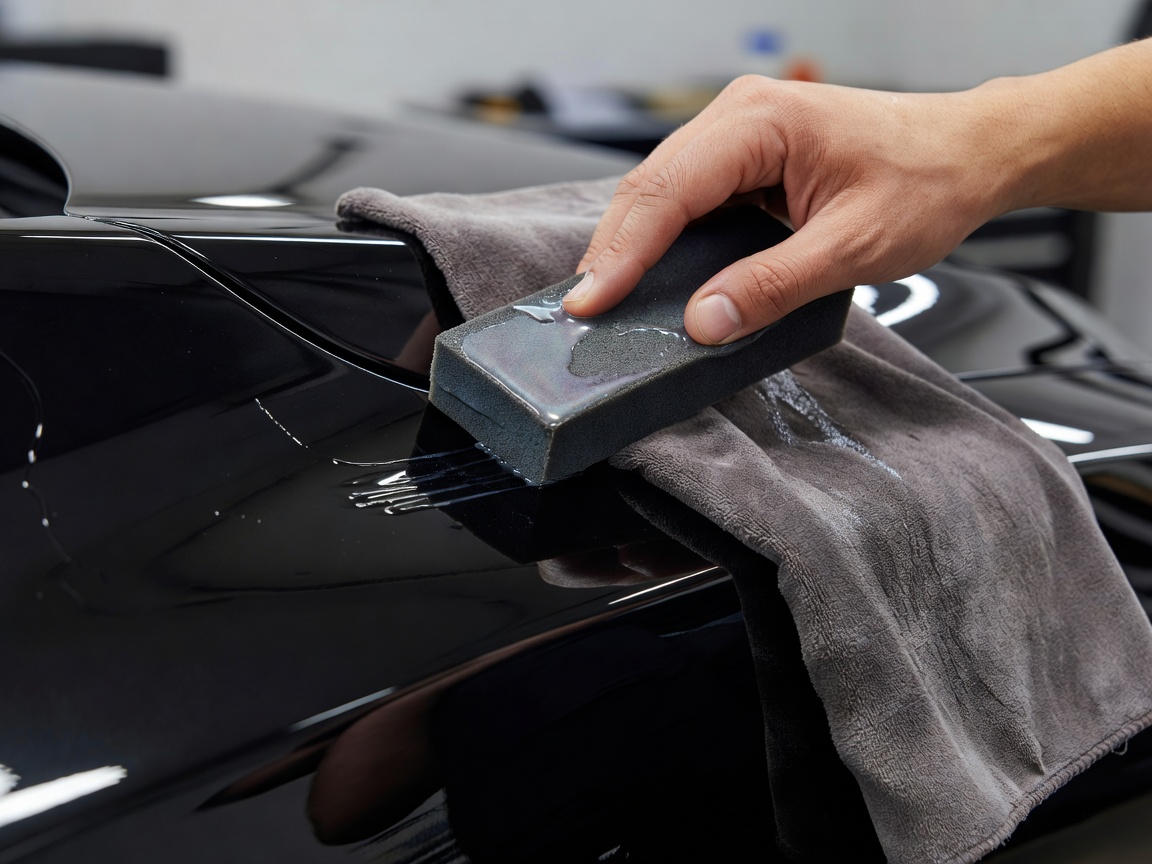
What Ceramics Actually Do:
- Hydrophobic Performance: Promotes rapid water shedding, reducing water spots.
- UV Blockers: Helps slow down clear coat fading caused by UV rays.
- Chemical Barrier: Highly resistant to bird lime etching and tree sap.
- Simplified Washing: Keeps dirt from sticking firmly to paintwork.
Common Coating Limitations:
- They will NOT completely prevent stone chips at high motorway speeds.
- They are NOT "self-healing" unless specified under high-temperature conditions.
- They will NOT stop swirl marks from improper car washes.